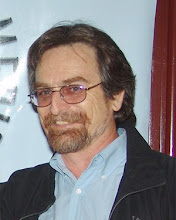
Once, when a magazine editor asked me to write a piece on alternative earning methods for local actors, my first thought was, What can I say about alternative earning methods? I’m not an actor – I just played one on TV. But she correctly noted that I work in several distinct areas and know others who do too. Stage actors can look to work in industrial films, commercials, PSAs, or films – there are many smaller jobs to augment your income, and some could turn into second careers.
Voice-overs
Voice-over work is very popular in the Bay Area, where a number of houses turn out high-quality animation. There’s Wild Brain in San Francisco, with ILM over in the Presidio, Phil Tippett Studios in Berkeley, DreamWorks in Redwood City and Emeryville’s own Pixar. And many video game producers always need V/O talent, either for scratch-tracks or for final product. Your agent or manager can find you work at any of the places hiring V/O talent.
If you’re really serious about voice-over, then consider buying a high-quality microphone and lining a smallish room with old comforters. Many local actors audition via MP3 at home; they get their sides by e-mail, then they e-mail the MP3 files back. Jarion Monroe says, “Auditioning from home is extremely economical. By not going into the city, I save $15 to $20 on gas, tolls and parking – plus general wear on the car. It also means that I can keep recording the audition until I get the perfect take.”
Julian Lopez-Morillas actually does the work itself at home, but he’s invested almost $2,000 in some very high-quality equipment and dedicated a small room as his studio. For book-on-tape publisher Audio Scholar, he’d previously worked in a professional studio to record Jung: Man & His Symbols, Einstein’s Relativity, and books by Carl Sagan, Stephen Hawking and others. He explains, “When Audio Scholar started contracting with people to record in their own home studios, I consulted with a sound engineer and gave self-producing a try. Today I’m doing quality control work on a self-produced CD, Muse of Fire: Favorites from Shakespeare.”
Two years ago, Mary Windishar thought her husband was nuts when he suggested that she produce her own spots at home. But he proved prophetic. For past 18 months, she’s done three Flash demos for Internet companies, two sets of co-op commercials for GE appliances, and numerous commercials for broadcast TV and radio. She says, “I’m still a bit shocked that I can stay home in my blue bunny slippers and earn hundreds of dollars. I had to be dragged into this, because I didn’t want to be an engineer – I wanted to do the glamorous stuff. If I had my choice, I’d always choose to work with engineers and other creative collaborators; I love the camaraderie and I love working in a real studio. But the truth is that to survive as a V/O artist today, you must have a home studio.”
Windishar warns that you can’t just drop into voice-over. There are very rigid expectations, and things that can’t be faked, like how to audition, how to perform – the things you can only learn from a pro. Voice-over work isn’t easy money and isn’t something that anyone with a good voice can do. For one, you’ll need a good teacher.
Anyone can fake a Southern accent, but regional accents are very specific and not to be trifled with. Invest in a book on accents. The following ones run about $22 each: American Dialects and Foreign Dialects, both by Herman & Herman, published by Routledge; and Accents: A Manual for Actors, by Blumenfeld, published by Limelight.
Just starting out and have no demo reel? You can make your own reel by taping a commercial from the radio and then duplicating it. You’ll probably have to do it many times before you get it right, and even then you should call someone with a studio (even a home studio) and do it all over again – believe me, you’ll benefit by the experience of others by this effort. You want to present your best work, and agents and casting directors know when something is knocked together by a newbie. V/O teacher Taylor Korobow is also an expert at self-producing proper demo reels.
Print Work
Print work is also a good option, especially if you have a unique look. You could make a tidy living from the many catalog companies in the Bay Area. Williams-Sonoma and the entire Pottery Barn conglomerate works out of a studio in Brisbane, churning out five or six catalogs annually for each of seven different concepts.
Other companies include Ambrosia, Smith & Hawken, The Sharper Image, Target, Northface, Restoration Hardware, Mervyn's California, Gump's and The Gap, not to mention the retail newspaper ads shot every week by Macy’s and other big advertisers. Remember that you’ll need specific types of photos that mimic advertising photos (called ‘zed’ or comp cards) that are different from headshots – they’re usually in color and offset printed. And don’t contact the companies directly, because they all hire casting directors who work solely through recognized agents, so if you want to work in this market, have your agent research it.
Spokemodels & More
Other actors with the right physicality for the specific jobs can land work as spokesmodels – they may want only women, or persons within a certain age range, etc. There’s a lot of work at conventions, and the local casting companies get calls for people to dress in business clothes and learn a script before heading over to the Concourse or Moscone Center. There are numerous fashion-oriented shows that need booth workers at the Concourse, and the big conventions at Moscone always attract people to work in booths, hand out samples or take customer information. You’ll get a lot of experience meeting different kinds of people, giving you a great store of physical mannerisms to use in constructing characters.
‘Medical actors’ impersonate patients with specific symptoms as part of training exercises for aspiring doctors. These faux patients (called ‘standardized patients’) study and exhibit symptoms, helping medical students and interns hone their communication skills and create an accurate diagnosis. As a 'standardized patient' with four years experience, Local actor Don Schwartz says, “I work for three medical schools and a physician-assistant program, as well as a test-preparation program specifically designed for foreign-trained physicians. I enjoy working with med students and physicians. It’s an opportunity to make a positive difference in their development as health care practitioners. I’m helping to nurture more humane, compassionate practitioners.”
There are similar 'litigation actors' who impersonate criminals and witnesses for lawyers-in-training. And several law-enforcement agencies hire actors to impersonate felons for officer-training purposes. Keep in mind, though, that these are very specialized jobs, not many actors are hired, and there aren’t any local agencies handling them… yet. An online search can help you find such companies – but again, let your agent do the heavy lifting here.
As part of your continuing education in your chosen profession, I urge you to get acquainted with the Reel Directory, published by Doug and Lynetta Freeman. An immensely valuable resource, RD lists everything from actors to writers, with all crew and vendor resources indexed by category and name. Read the entire book – you’ll learn a lot. RD is also online on CD as well. Find it at: www.reeldirectory.com.
There are other jobs that use the same skill-set that you have spent so much time building, and the only limit to this kind of work is your imagination. So get out there and break a leg!
SIDEBAR: Acting in Other Ways
Bartenders & Waitstaff
These jobs aren’t too confining, the tips can be good, and you can go to auditions in your off hours. You’re also in constant interaction with lots of people and you’re solving interpersonal problems for customers, both of which can be very helpful in building characters for your repertoire.
Telemarketers
Doing phone surveys can be an excellent way to earn money while honing your skills at conversation and improvisation. As a customer service phone operator, you can develop a character and stick with it for extended periods.
Realtors
Many an actor has earned a very nice living in real estate, because that profession relies on the right kind of interaction: you have to know the right thing to say at the right time, and then you have to sell it. Again, you can work (mostly) your own hours, you have free time to book auditions, and you may not have to show up every day. And the money’s reported to be pretty good. Just watch out that you don’t wind up trading one career for another.
Public Relations
This field is highly provisional within some set boundaries. You have to know the playing field, know the players, then improvise like crazy to achieve the desired result. As with real estate, PR is all about people skills and knowing the motivations of the people you are dealing with.
In-Home Service Jobs
Others who have to know their clients and meet their needs are home decorators, interior designers and organizers also. There is a lot of research required, similar to building a character, and you’ll find situations that challenge your skills and patience – always good activities for learning. Perhaps not as demanding is the job of a home organizer or home-office organizer, in which you’d work with a client to find the proper way to get things placed for maximum efficiency. This may be a good area to explore for scenic designers and builders as well.
David Hakim is an assistant director, producer, and publicity expert who developed campaigns for every major Hollywood studio and handled publicity for the Motion Picture Academy. Find him in the Reel Directory online: www.reeldirectory.com.
All material copyright 2010 David Hakim and may not be duplicated - ALL RIGHTS RESERVED.
martes, 11 de mayo de 2010

domingo, 9 de mayo de 2010
Rosemary's Baby, 2010
What’s with all the sturm&drang about Roman Polanski? The guy committed a crime. He’s no different from any other criminal, as much of a genius as he might be. Now captured after 30 years, he is under house arrest in a Swiss mansion.
Wow, lucky Polanski!
If his skin were black or brown, he’d be lucky to not have been lynched. He’d be in an orange jumpsuit some prison in Central California with lots and lots of rough boyfriends with whom to discuss the finer points of camera lenses and working with actors, when they weren’t busy exploring his ‘inner realms’ (since they hate child molesters in the joint).
I think that he should stay under house arrest for a long long time. And if he wants to make movies, then he should use his creative mind to come up with ways to bring the set to himself, shooting only in his spacious Swiss mansion and the surrounding grounds. He could make a nice ‘drawing room’ drama, perhaps about the evils of lust and gluttony, or about the moral dangers of privilege and celebrity. Every film needs a theme, after all.
Or, Polanski could do what Coppola did in the early 80s. For One From the Heart, Coppola brought in a 'command center' built into a big Airstream trailer. And in that shiny silver bullet, Coppola could relax and eat his lunch while directing – without setting foot on the set) and he could make any movie he wants, anywhere in the world, from his luxurious Swiss mansion via satellite.
The 70s and early 80s were great times for experimenting with the process – especially for Coppola. He also developed a technique for shortening shooting time by extending rehearsal time and using that early period for rewrites and actual editing of his film. Taking a page from Alfred Hitchcock (who worked from a storyboard book with each shot so highly detailed that virtually anyone could have blocked and directed his films), Coppola used one assistant director to gaff his long rehearsal sessions on Cannery Row while tape-recording dialog and taking Polaroid snapshots. The actors would work in a big empty stage, with folding chairs and tables, as well as chalkmarks on the floor and walls to delineate rooms, doors and windows. The AD would record actors’ lines and take shots of them according to the script’s camera angles and lenses. When the actors went home, the AD would then videotape the snapshots while the cassette tape played, with all the scenes in order, and within a day or so Coppola would have a virtual edit of his film – using only one crew member. He would then review it and edit his script to reflect changes that would normally be made later in the editing process, after much footage would have been shot (at great cost in time and money). Then, the actors would be called back in to the same stage, in which actual furniture and painted backdrops would have been installed that modified script. In these sessions, the AD would be filming the action, per the updated script, with a video camera, capturing the shots called for: close-up, medium, wide, singles, two-shots, masters, etc. The actors would be released, and Coppola would then view the edited version of that script – and again re-edited the ‘sketch’ of the film. So before he had spent a dime on locations or crew (or actors’ fees, except for the very modest rehearsal fees) he would have the final clut of his film. It was estimated at the time that about a quarter of any budget could be trimmed away in this manner.
Mike Leigh works with his actors for like six months or more in character study and rehearsal (see the results in Happy Go Lucky), which is another thing that Polanski could do – with his actors visiting him in Switzerland.
Errol Morris conducts his documentary interviews from an adjoining room, via a video camera set behind a teleprompter on which his face is projected. The mediation of the director is a technique already in use, so why not use it to a good purpose?
So what’s my point? Well, Polanski is a highly creative guy – so let him figure out ways to do his time like a man, hold his mud, and stfu. He could stop sniveling, bring his actors to Switzerland, put them up in his big old mansion, and engage them in intensive work on their characters, using Coppola’s second technique to reduce set time. Then he could use Coppola’s first technique to get the film made, directing remotely.
So my message to Polanski: “Enough wyngeing already, Roman – use your (much deserved) restrictions to come up with a masterpiece!
David Hakim is an assistant director, producer, and publicity expert who developed campaigns for every major Hollywood studio and handled publicity for the Motion Picture Academy. Find him in the Reel Directory online: www.reeldirectory.com.
All material copyright 2010 David Hakim and may not be duplicated - ALL RIGHTS RESERVED.
Wow, lucky Polanski!
If his skin were black or brown, he’d be lucky to not have been lynched. He’d be in an orange jumpsuit some prison in Central California with lots and lots of rough boyfriends with whom to discuss the finer points of camera lenses and working with actors, when they weren’t busy exploring his ‘inner realms’ (since they hate child molesters in the joint).
I think that he should stay under house arrest for a long long time. And if he wants to make movies, then he should use his creative mind to come up with ways to bring the set to himself, shooting only in his spacious Swiss mansion and the surrounding grounds. He could make a nice ‘drawing room’ drama, perhaps about the evils of lust and gluttony, or about the moral dangers of privilege and celebrity. Every film needs a theme, after all.
Or, Polanski could do what Coppola did in the early 80s. For One From the Heart, Coppola brought in a 'command center' built into a big Airstream trailer. And in that shiny silver bullet, Coppola could relax and eat his lunch while directing – without setting foot on the set) and he could make any movie he wants, anywhere in the world, from his luxurious Swiss mansion via satellite.
The 70s and early 80s were great times for experimenting with the process – especially for Coppola. He also developed a technique for shortening shooting time by extending rehearsal time and using that early period for rewrites and actual editing of his film. Taking a page from Alfred Hitchcock (who worked from a storyboard book with each shot so highly detailed that virtually anyone could have blocked and directed his films), Coppola used one assistant director to gaff his long rehearsal sessions on Cannery Row while tape-recording dialog and taking Polaroid snapshots. The actors would work in a big empty stage, with folding chairs and tables, as well as chalkmarks on the floor and walls to delineate rooms, doors and windows. The AD would record actors’ lines and take shots of them according to the script’s camera angles and lenses. When the actors went home, the AD would then videotape the snapshots while the cassette tape played, with all the scenes in order, and within a day or so Coppola would have a virtual edit of his film – using only one crew member. He would then review it and edit his script to reflect changes that would normally be made later in the editing process, after much footage would have been shot (at great cost in time and money). Then, the actors would be called back in to the same stage, in which actual furniture and painted backdrops would have been installed that modified script. In these sessions, the AD would be filming the action, per the updated script, with a video camera, capturing the shots called for: close-up, medium, wide, singles, two-shots, masters, etc. The actors would be released, and Coppola would then view the edited version of that script – and again re-edited the ‘sketch’ of the film. So before he had spent a dime on locations or crew (or actors’ fees, except for the very modest rehearsal fees) he would have the final clut of his film. It was estimated at the time that about a quarter of any budget could be trimmed away in this manner.
Mike Leigh works with his actors for like six months or more in character study and rehearsal (see the results in Happy Go Lucky), which is another thing that Polanski could do – with his actors visiting him in Switzerland.
Errol Morris conducts his documentary interviews from an adjoining room, via a video camera set behind a teleprompter on which his face is projected. The mediation of the director is a technique already in use, so why not use it to a good purpose?
So what’s my point? Well, Polanski is a highly creative guy – so let him figure out ways to do his time like a man, hold his mud, and stfu. He could stop sniveling, bring his actors to Switzerland, put them up in his big old mansion, and engage them in intensive work on their characters, using Coppola’s second technique to reduce set time. Then he could use Coppola’s first technique to get the film made, directing remotely.
So my message to Polanski: “Enough wyngeing already, Roman – use your (much deserved) restrictions to come up with a masterpiece!
David Hakim is an assistant director, producer, and publicity expert who developed campaigns for every major Hollywood studio and handled publicity for the Motion Picture Academy. Find him in the Reel Directory online: www.reeldirectory.com.
All material copyright 2010 David Hakim and may not be duplicated - ALL RIGHTS RESERVED.
miércoles, 27 de enero de 2010
Advice on Preparing for ‘The Test’
I recently had a request from a young man about taking the test for entry into DGA's Assistant Director Training Program.
I dusted off an old sidebar to an article on the Training Program and sent it to him, then I thought I should put it up where some others might benefit from it. So here it is:
<><><><><>
So you’ve made your application to the Training Program (or the Training Plan - different names on the East & West coasts), and they’ve checked out your college transcripts. In your mailbox one day you find that golden message – an invitation to take the qualifying test. It’s time for your first big challenge.
Don’t worry about choking. Many people are daunted by the Training Plan Test, but you’ll shine if you take a few simple preparations. We’ve asked a number of former Trainees for their advice, and this is the 12-point list we’ve come up with. To maximize your score, just follow these directions:
1. Day T, minus 7: For the next seven days, do not think about the test at all; eat well, relax and get plenty of sleep; include your girlfriend or boyfriend in all activities that you can.
2. Day T, minus 3: For the next three days, do things you really like to do: eat, read, go to the beach, spend time with friends… you know.
3. Day T, minus 2: Take a ride to the testing center and find out where the best parking is – spend this hour or so today, and you’ll save you time and worry on the day of the test.
4. Day T, minus 1: On the day before the test, make sure you have comfortable clothes to wear, preferably layers that can be removed if the temperature increases in the testing facility. Make sure your outer garment has good-sized pockets.
5. Day T, minus 1: Buy some snack foods of your choice, but make sure they don’t have to be refrigerated. Also, buy some non-sugar drinks in handy sizes to take with you in those pockets.
6. Day T, minus 1: In the afternoon (if you want to), put a cooler in your car, and make yourself a good-sized but light lunch for the test day; salad with protein is best since it won’t make you sleepy – tuna, egg or chicken, but tofu is good for vegetarians. Everyone else will be walking around trying to find someplace close by for lunch, but it will be a rushed meal for them... You, on the other hand will have exactly what you want to eat – and the time to really enjoy it).
7. Day T, minus 1: The night before the test, eat an early dinner at the best restaurant you can afford, with either your best friend[s] or your girlfriend/boyfriend, but get to bed early.
8. Day T, morning: On the morning of the test, eat a good breakfast, then put ice and your lunch in the cooler; don’t bring any books or papers with you to the test – you won’t need them. If you did # 3, leave ½-hour early – if not, leave at least an hour early, so that you’ll have time to get lost, drive around looking for a parking place, park, get lost again, find the testing room and then sit down and have a little snack. At that point, you can relax, and even take a short nap (set the alarm on your watch!), while the others who have left later are running to catch up and make it before the doors close (they’ll be losing mental ability, but you’ll be cool).
9. Day T, daytime: Relax while taking the test; answer as many questions as you can. Don’t get stuck on a question – move on, then come back to the hard one at the end Remember, it’s a numbers game, and if you miss answering 4 questions while trying to figure out one, you’ll lose points.
10. Day T, daytime: Really, relax – it’s only a test.
11. Day T, evening: After the test, go out and celebrate with friends – enjoy yourself, because you’ve earned it.
12. Day T, plus: Try not to worry about your score for the next two months: it’s completely out of your hands.
ps. We’re not kidding about a single point on this list. Not one. None.
<><><><><>
So there it is... if you stumbled on this while searching for information on the DGA Training Program, good luck to you!
All material copyright 2008 David Hakim and may not be duplicated - ALL RIGHTS RESERVED.
I dusted off an old sidebar to an article on the Training Program and sent it to him, then I thought I should put it up where some others might benefit from it. So here it is:
<><><><><>
So you’ve made your application to the Training Program (or the Training Plan - different names on the East & West coasts), and they’ve checked out your college transcripts. In your mailbox one day you find that golden message – an invitation to take the qualifying test. It’s time for your first big challenge.
Don’t worry about choking. Many people are daunted by the Training Plan Test, but you’ll shine if you take a few simple preparations. We’ve asked a number of former Trainees for their advice, and this is the 12-point list we’ve come up with. To maximize your score, just follow these directions:
1. Day T, minus 7: For the next seven days, do not think about the test at all; eat well, relax and get plenty of sleep; include your girlfriend or boyfriend in all activities that you can.
2. Day T, minus 3: For the next three days, do things you really like to do: eat, read, go to the beach, spend time with friends… you know.
3. Day T, minus 2: Take a ride to the testing center and find out where the best parking is – spend this hour or so today, and you’ll save you time and worry on the day of the test.
4. Day T, minus 1: On the day before the test, make sure you have comfortable clothes to wear, preferably layers that can be removed if the temperature increases in the testing facility. Make sure your outer garment has good-sized pockets.
5. Day T, minus 1: Buy some snack foods of your choice, but make sure they don’t have to be refrigerated. Also, buy some non-sugar drinks in handy sizes to take with you in those pockets.
6. Day T, minus 1: In the afternoon (if you want to), put a cooler in your car, and make yourself a good-sized but light lunch for the test day; salad with protein is best since it won’t make you sleepy – tuna, egg or chicken, but tofu is good for vegetarians. Everyone else will be walking around trying to find someplace close by for lunch, but it will be a rushed meal for them... You, on the other hand will have exactly what you want to eat – and the time to really enjoy it).
7. Day T, minus 1: The night before the test, eat an early dinner at the best restaurant you can afford, with either your best friend[s] or your girlfriend/boyfriend, but get to bed early.
8. Day T, morning: On the morning of the test, eat a good breakfast, then put ice and your lunch in the cooler; don’t bring any books or papers with you to the test – you won’t need them. If you did # 3, leave ½-hour early – if not, leave at least an hour early, so that you’ll have time to get lost, drive around looking for a parking place, park, get lost again, find the testing room and then sit down and have a little snack. At that point, you can relax, and even take a short nap (set the alarm on your watch!), while the others who have left later are running to catch up and make it before the doors close (they’ll be losing mental ability, but you’ll be cool).
9. Day T, daytime: Relax while taking the test; answer as many questions as you can. Don’t get stuck on a question – move on, then come back to the hard one at the end Remember, it’s a numbers game, and if you miss answering 4 questions while trying to figure out one, you’ll lose points.
10. Day T, daytime: Really, relax – it’s only a test.
11. Day T, evening: After the test, go out and celebrate with friends – enjoy yourself, because you’ve earned it.
12. Day T, plus: Try not to worry about your score for the next two months: it’s completely out of your hands.
ps. We’re not kidding about a single point on this list. Not one. None.
<><><><><>
So there it is... if you stumbled on this while searching for information on the DGA Training Program, good luck to you!
All material copyright 2008 David Hakim and may not be duplicated - ALL RIGHTS RESERVED.
domingo, 21 de junio de 2009
A Link to Voznesensky
I was very surprised to recently find
that Andrei Voznesensky
has a new career.
While using that wonderful poetic device ‘Google’
I saw the great Russian poet’s name
listed on Linked-In.com.
Once there, I discovered that
Mr Voznesensky is a
“Senior Principal Scientist at Pfizer
in the Hartford, Connecticut Area.”
And the author of Modern Nature and
ru and
Dead Still
and my favorite
– Bicycles –
has 50 connections!
And some of my connections know some of his connections…
I am so glad to know that Voznesensky is interested in:
* career opportunities
* consulting offers
* job inquiries
* reference requests
and
* getting back in touch
There is so much we could discuss –
the surreal image,
symbolism and
use of synecdoche
in his previous position as
a Principal Research Scientist at Bayer Pharmaceutical.
Does Boris Pasternak know
that his former protégé is now
a member of the
Biotech & Pharma Professionals Network?
Are the poetic influences of Mayakovsky and Neruda
useful in his present endeavors?
If I sound disappointed, well,
that may be true.
I mean, the guy’s got a minor planet
named after him:
‘3723 Voznesenskij.’
And shouldn’t he – after all – be concentrating
on poetry?
So I sent him a message, because
there’s that big blue headline:
“Send a message to Andrei Voznesensky”
and right under it, two golden buttons –
“Contact Directly”
and
“Get Introduced”
(“7 of your trusted connections can introduce you to someone who knows this person”).
And I wrote,
“So Andrei, how’s it hanging?
Hey, what’s with the job in big pharma?
You’re a genius, man, with medals and shit,
And you ought to be writing those pithy poems
that made you famous.
Keep it real, man,
And don’t forget your roots. Hakim”
And a couple days later I got this back:
“Sorry to disappoint you,
but the poet you write about
and I
are not even related.
I hope he is not bothered by people
looking for a prescription.
Dos vedanya, AV”
David Hakim is an assistant director, producer, and publicity expert who developed campaigns for every major Hollywood studio and handled publicity for the Motion Picture Academy. Find him in the Reel Directory online: www.reeldirectory.com.
All material copyright 2008 David Hakim and may not be duplicated - ALL RIGHTS RESERVED.
that Andrei Voznesensky
has a new career.
While using that wonderful poetic device ‘Google’
I saw the great Russian poet’s name
listed on Linked-In.com.
Once there, I discovered that
Mr Voznesensky is a
“Senior Principal Scientist at Pfizer
in the Hartford, Connecticut Area.”
And the author of Modern Nature and
ru and
Dead Still
and my favorite
– Bicycles –
has 50 connections!
And some of my connections know some of his connections…
I am so glad to know that Voznesensky is interested in:
* career opportunities
* consulting offers
* job inquiries
* reference requests
and
* getting back in touch
There is so much we could discuss –
the surreal image,
symbolism and
use of synecdoche
in his previous position as
a Principal Research Scientist at Bayer Pharmaceutical.
Does Boris Pasternak know
that his former protégé is now
a member of the
Biotech & Pharma Professionals Network?
Are the poetic influences of Mayakovsky and Neruda
useful in his present endeavors?
If I sound disappointed, well,
that may be true.
I mean, the guy’s got a minor planet
named after him:
‘3723 Voznesenskij.’
And shouldn’t he – after all – be concentrating
on poetry?
So I sent him a message, because
there’s that big blue headline:
“Send a message to Andrei Voznesensky”
and right under it, two golden buttons –
“Contact Directly”
and
“Get Introduced”
(“7 of your trusted connections can introduce you to someone who knows this person”).
And I wrote,
“So Andrei, how’s it hanging?
Hey, what’s with the job in big pharma?
You’re a genius, man, with medals and shit,
And you ought to be writing those pithy poems
that made you famous.
Keep it real, man,
And don’t forget your roots. Hakim”
And a couple days later I got this back:
“Sorry to disappoint you,
but the poet you write about
and I
are not even related.
I hope he is not bothered by people
looking for a prescription.
Dos vedanya, AV”
David Hakim is an assistant director, producer, and publicity expert who developed campaigns for every major Hollywood studio and handled publicity for the Motion Picture Academy. Find him in the Reel Directory online: www.reeldirectory.com.
All material copyright 2008 David Hakim and may not be duplicated - ALL RIGHTS RESERVED.
sábado, 20 de junio de 2009
Uncle’s Song
(with apologies to Gilbert & Sullivan)
“I am the very model of a new avuncularity –
I've made myself the uncle of a group with some disparity.
Among them you’ll find actors and some students of the legal type –
Perhaps one day there will be one whose family bears a regal stripe!”
“Perhaps one day there will be one whose family bears a regal stripe!”
“These lads and lasses all have heads that bulge with ideas quite profound
And planet-saving notions about which they’re willing to expound.
They’re music makers, peachtree shakers and with full celerity
They even do some root canals for profit or for charity!”
“They even do some root canals for profit or for charity!”
“I worry that the youth today have not got full advantages
Though educated fully, they must work for what are scant wages.
But most are led by notions that they battle vile barbarity
And so they practice every day to sharpen their dexterity!”
“And so they practice every day to sharpen their dexterity!”
“I find them jobs and search for posts to give them skills and expertise
So they won’t have to find success by laboring in small degrees.
My nephews and my nieces face the world with staunch temerity
And so their chances are quite good to wallow in prosperity!”
“And so their chances are quite good to wallow in prosperity!”
“I wish for nepotism rare that has been turned all inside-out.
That is, that they will hire me at wages to write home about.
So far no job’s popped up, which is a great peculiarity –
But I have hopes to be employed for all my popularity!”
“But he has hopes to be employed for all his popularity!”
And on this point I must insist on having crystal clarity –
For it’s been said the workplace is no place for rude hilarity –
My sisters’ kids I do help out with deep and true sincerity:
I am the very model of a new avuncularity.”
“He is the very model of a new avuncularity.”
David Hakim is an assistant director, producer, and publicity expert who developed campaigns for every major Hollywood studio and handled publicity for the Motion Picture Academy. Find him in the Reel Directory online: www.reeldirectory.com.
All material copyright 2009 David Hakim and may not be duplicated - ALL RIGHTS RESERVED.
“I am the very model of a new avuncularity –
I've made myself the uncle of a group with some disparity.
Among them you’ll find actors and some students of the legal type –
Perhaps one day there will be one whose family bears a regal stripe!”
“Perhaps one day there will be one whose family bears a regal stripe!”
“These lads and lasses all have heads that bulge with ideas quite profound
And planet-saving notions about which they’re willing to expound.
They’re music makers, peachtree shakers and with full celerity
They even do some root canals for profit or for charity!”
“They even do some root canals for profit or for charity!”
“I worry that the youth today have not got full advantages
Though educated fully, they must work for what are scant wages.
But most are led by notions that they battle vile barbarity
And so they practice every day to sharpen their dexterity!”
“And so they practice every day to sharpen their dexterity!”
“I find them jobs and search for posts to give them skills and expertise
So they won’t have to find success by laboring in small degrees.
My nephews and my nieces face the world with staunch temerity
And so their chances are quite good to wallow in prosperity!”
“And so their chances are quite good to wallow in prosperity!”
“I wish for nepotism rare that has been turned all inside-out.
That is, that they will hire me at wages to write home about.
So far no job’s popped up, which is a great peculiarity –
But I have hopes to be employed for all my popularity!”
“But he has hopes to be employed for all his popularity!”
And on this point I must insist on having crystal clarity –
For it’s been said the workplace is no place for rude hilarity –
My sisters’ kids I do help out with deep and true sincerity:
I am the very model of a new avuncularity.”
“He is the very model of a new avuncularity.”
David Hakim is an assistant director, producer, and publicity expert who developed campaigns for every major Hollywood studio and handled publicity for the Motion Picture Academy. Find him in the Reel Directory online: www.reeldirectory.com.
All material copyright 2009 David Hakim and may not be duplicated - ALL RIGHTS RESERVED.
lunes, 15 de junio de 2009
The Technique of Making Movies: Problem Solving at 85 MPH – for 18 Hours Straight
YOUR CALL TIME: 515 am
430 am Leave home for work – it’s chilly and quiet.
440 am Hit Bay Bridge – there is no traffic and the music on the radio is pretty good.
450 am Arrive on set, find parking space that’s close but not too close.
451 am Discover two cranes parked in the middle of your set at Moscone Center.
[Location Manager from previous commercial left them ‘as a gift.’]
452 am Teamsters have no flashlight, can’t find keys to cranes.
453 am While calling other Location Manager at home, take 3-battery maglite out of car,
give to Teamster to find keys.
454 am Trucks stacking up waiting to park for offloading.
455 am Craft service/ breakfast truck arrives, wants to set out coffee, has no water.
456 am 1st crane starts to be moved out of way – at 1 mph. [88fpm / 1.5 fps]
457 am Call from PA – he is lost.
458 am Motorhome arrives.
459 am Makeup / hair people arrive, want coffee.
500 am 2nd crane starts to be moved – at 1 mph.
501 am Boss arrives, wants to know why things are going to hell in a handbasket, wants
coffee now. [her call is 530 am]
502 am Tongue stops hurting from biting it.
503 am Boss asks for a walkie-talkie (camera truck has not arrived with walkie-talkies).
504 am Give her your walkie, though it’s the only one on set so she has no one to talk to.
505 am Camera truck parked & opened.
506 am Walkie-talkies taken out, some batteries discovered to be dead.
507 am Dead batteries taken to motorhome to charge.
508 am Makeup Person screaming because chairs have not arrived.
509 am Congratulate self on not throttling Makeup Person.
510 am Motorhome generator discovered to be malfunctioning. PA arrives.
511 am Discover that your picture-car dashcards are at home on desk; cars due at 6 am.
512 am Pull out generic dashcard master from ‘Felix magic bag.’
513 am Hand generic dashcard to PA to copy on motorhome photocopier.
514 am Motorhome generator still not working: no copies available yet.
515 am Cops arrive, PA asks them to fill out I-9 forms; you apologise profusely to cops.
516 am Video Assist wants to know where camera will be, so he can set up away from it.
517 am Hand walkies to Cops, write down their names and check broadcast channels.
518 am Ask boss where camera will be.
519 am Boss asks, ‘Do you see our Director? Well, then how the hell should I know?’
520 am Boss informs you that second location has changed – you must inform all
Department Heads.
521 am Location Manager yelps about change of second location, runs from scene.
522 am APC hands you 4-pound envelope with hundreds of extra vouchers and actor
contracts, along with start paperwork for entire crew, call sheets, shot lists and
storyboards.
523 am Hand 4-pound envelope to PA, thinking you will sort it later; pull out call sheets,
shot lists and storyboards.
524 am Order walking burrito, which you will forget all about and it will be thrown away
and another one will have to be ordered, which you will start to eat but will drop when Boss calls you on the walkie.
525 am First Actress arrives, wants full breakfast.
526 am Hand breakfast order to PA while introducing first Actress to Makeup Person you
now hate.
527 am Start handing out call sheets, shot lists & storyboards – 1st one to Makeup Person
you hate, 2nd one to Hairdresser you think is kinda cute, 3rd one to first Actress.
528 am Hand out call sheets, shot lists and storyboards to crew grouped around breakfast table.
529 am Homeless person hassling people at breakfast table; someone wants to call a cop.
530 am Gently walk homeless person to corner, where you give him a banana, a bagel and a carton of juice.
531 am Second Actress is one minute late – has not arrived; take a deep breath.
532 am Call Transportation Coordinator on walkie to ask if second Actress was picked up.
533 am Transpo Coordinator asks you not to do his job for him.
534 am Hero Cars arrive; no one knows where to park the trailer.
535 am Call Transportation Coordinator on walkie to ask where to put Hero Car Trailer.
536 am Transpo Coordinator tolerantly asks your 20, says to wait for him there.
538 am Transpo Coordinator ignores you while telling Hero Car Driver where to put trailer.
539 am Ask Caterer for breakfast burrito, find out it was tossed when you didn’t come back.
540 am Grab box of cereal, start to eat it dry.
541 am Get walkie call from Boss: “How are my Actresses?”
542 am Start to choke on inhaled dry cereal while answering walkie call.
543 am Call Transpo Coordinator, ask about second Actress.
544 am Check on first Actress.
545 am Second Actress arrives, give her call sheet, shot list and storyboard.
546 am Introduce second Actress to Makeup Person you hate and Kinda-Cute Hairdresser.
547 am Write down second Actress’ breakfast order.
548 am Give second Actress’ breakfast order to Caterer while getting own breakfast burrito, bite into it – it’s hot!
549 am Simply enjoy the hot food for about 30 seconds because – well, you’re human.
550 am Call Transpo Coordinator on walkie to check on Director pickup at hotel.
551 am Transpo Coordinator tells you not to do his job for him.
552 am Director calls from hotel: van has not picked him up.
553 am Find Transpo Coordinator, ask to see his pickup list.
554 am Pick up crumpled pickup list from ground, attempt to smooth it on car fender.
555 am Damp car fender has made pickup list soggy.
556 am Boss calls for Car Prep Guys NOW – drop breakfast burrito while running to find them.
557 am Boss asks for Director; inform her that Director is still at hotel.
558 am Take quiet pleasure in Boss reaming Transpo Coordinator.
559 am Find your 3-battery maglite on the ground.
600 am Unasked, Teamster informs you that he left your 3-battery maglite on bus bench.
And that’s only the first hour or so. It goes on like this all day long, as people are choking from bus fumes, actresses get lost, people fight with each other, cars are moved and removed and the cops aren’t getting the right directions on the walkie, and the store owners are complaining about your crew blocking their entrances so you have to pony up $300 in petty cash to keep them happy. Not all the extras arrive on time because one is lost in Oakland and two are stuck at the parking lot and the Transpo Coordinator doesn’t have van to send to pick them up.
The Hero Actor is cranky about his girlfriend jilting him and wants to jump the Kinda-cute Hairdresser and asks you for the address of a good sportsbar for later. The Director asks you to make sure that his reservations for Chez Panisse are at the right time and your PA loses the 4-pound envelope with all the extra vouchers in it but it’s found later by the Set Medic who thinks you look just like a guy who was running around with his wife behind his back – ‘that wasn’t you, was it?’ – and you have to duck into your car three times during the day to change your shirt because you are sweating so much from all the exertion.
Lunch is served at 11:30 am, and you stand at the table to make sure that only your crew and actors eat – there are loafers and con artists circling for a free bite. You gulp down your lunch standing up while watching the equipment, then have a conference with your Boss who thinks you should have been moving faster all morning, and then it’s off to make the rest of the day go.
You first get your Actresses to Makeup and Hair (she is cute!) and then have Wardrobe check them for gravy-stains. Then in front of the camera with them, and you go to set background, which group comprises a lot of wannabee actors who think they deserve a shot at stardom. Amongst them are a few really good souls, but most are just ordinary people, with all the foibles and failings of the normal population - while a few have no business in this business.
At 430 pm, you stand in the center of California Street directing the traffic away from your oblivious crew, who would be squashed by angry motorists if ADs and cops did not work overtime to keep them alive. Swinging your arms rhythmically to keep the cars flowing, you suddenly realise that you are in the direst pain from your knees all the way to the pavement. You think about it for exactly 3.2 seconds, when you get a walkie call to head over to the corner to get the bum out of the shot. The bum says he his hungry and you wonder what you ate for lunch – you know that you ate, but you can’t remember for the life of you what you ate.
And so it goes, til 11:30 that night, when you head for your car and the long drive home – it’s quiet, there’s no traffic on the Bridge and the jazz on the radio is cool.
430 am Leave home for work – it’s chilly and quiet.
440 am Hit Bay Bridge – there is no traffic and the music on the radio is pretty good.
450 am Arrive on set, find parking space that’s close but not too close.
451 am Discover two cranes parked in the middle of your set at Moscone Center.
[Location Manager from previous commercial left them ‘as a gift.’]
452 am Teamsters have no flashlight, can’t find keys to cranes.
453 am While calling other Location Manager at home, take 3-battery maglite out of car,
give to Teamster to find keys.
454 am Trucks stacking up waiting to park for offloading.
455 am Craft service/ breakfast truck arrives, wants to set out coffee, has no water.
456 am 1st crane starts to be moved out of way – at 1 mph. [88fpm / 1.5 fps]
457 am Call from PA – he is lost.
458 am Motorhome arrives.
459 am Makeup / hair people arrive, want coffee.
500 am 2nd crane starts to be moved – at 1 mph.
501 am Boss arrives, wants to know why things are going to hell in a handbasket, wants
coffee now. [her call is 530 am]
502 am Tongue stops hurting from biting it.
503 am Boss asks for a walkie-talkie (camera truck has not arrived with walkie-talkies).
504 am Give her your walkie, though it’s the only one on set so she has no one to talk to.
505 am Camera truck parked & opened.
506 am Walkie-talkies taken out, some batteries discovered to be dead.
507 am Dead batteries taken to motorhome to charge.
508 am Makeup Person screaming because chairs have not arrived.
509 am Congratulate self on not throttling Makeup Person.
510 am Motorhome generator discovered to be malfunctioning. PA arrives.
511 am Discover that your picture-car dashcards are at home on desk; cars due at 6 am.
512 am Pull out generic dashcard master from ‘Felix magic bag.’
513 am Hand generic dashcard to PA to copy on motorhome photocopier.
514 am Motorhome generator still not working: no copies available yet.
515 am Cops arrive, PA asks them to fill out I-9 forms; you apologise profusely to cops.
516 am Video Assist wants to know where camera will be, so he can set up away from it.
517 am Hand walkies to Cops, write down their names and check broadcast channels.
518 am Ask boss where camera will be.
519 am Boss asks, ‘Do you see our Director? Well, then how the hell should I know?’
520 am Boss informs you that second location has changed – you must inform all
Department Heads.
521 am Location Manager yelps about change of second location, runs from scene.
522 am APC hands you 4-pound envelope with hundreds of extra vouchers and actor
contracts, along with start paperwork for entire crew, call sheets, shot lists and
storyboards.
523 am Hand 4-pound envelope to PA, thinking you will sort it later; pull out call sheets,
shot lists and storyboards.
524 am Order walking burrito, which you will forget all about and it will be thrown away
and another one will have to be ordered, which you will start to eat but will drop when Boss calls you on the walkie.
525 am First Actress arrives, wants full breakfast.
526 am Hand breakfast order to PA while introducing first Actress to Makeup Person you
now hate.
527 am Start handing out call sheets, shot lists & storyboards – 1st one to Makeup Person
you hate, 2nd one to Hairdresser you think is kinda cute, 3rd one to first Actress.
528 am Hand out call sheets, shot lists and storyboards to crew grouped around breakfast table.
529 am Homeless person hassling people at breakfast table; someone wants to call a cop.
530 am Gently walk homeless person to corner, where you give him a banana, a bagel and a carton of juice.
531 am Second Actress is one minute late – has not arrived; take a deep breath.
532 am Call Transportation Coordinator on walkie to ask if second Actress was picked up.
533 am Transpo Coordinator asks you not to do his job for him.
534 am Hero Cars arrive; no one knows where to park the trailer.
535 am Call Transportation Coordinator on walkie to ask where to put Hero Car Trailer.
536 am Transpo Coordinator tolerantly asks your 20, says to wait for him there.
538 am Transpo Coordinator ignores you while telling Hero Car Driver where to put trailer.
539 am Ask Caterer for breakfast burrito, find out it was tossed when you didn’t come back.
540 am Grab box of cereal, start to eat it dry.
541 am Get walkie call from Boss: “How are my Actresses?”
542 am Start to choke on inhaled dry cereal while answering walkie call.
543 am Call Transpo Coordinator, ask about second Actress.
544 am Check on first Actress.
545 am Second Actress arrives, give her call sheet, shot list and storyboard.
546 am Introduce second Actress to Makeup Person you hate and Kinda-Cute Hairdresser.
547 am Write down second Actress’ breakfast order.
548 am Give second Actress’ breakfast order to Caterer while getting own breakfast burrito, bite into it – it’s hot!
549 am Simply enjoy the hot food for about 30 seconds because – well, you’re human.
550 am Call Transpo Coordinator on walkie to check on Director pickup at hotel.
551 am Transpo Coordinator tells you not to do his job for him.
552 am Director calls from hotel: van has not picked him up.
553 am Find Transpo Coordinator, ask to see his pickup list.
554 am Pick up crumpled pickup list from ground, attempt to smooth it on car fender.
555 am Damp car fender has made pickup list soggy.
556 am Boss calls for Car Prep Guys NOW – drop breakfast burrito while running to find them.
557 am Boss asks for Director; inform her that Director is still at hotel.
558 am Take quiet pleasure in Boss reaming Transpo Coordinator.
559 am Find your 3-battery maglite on the ground.
600 am Unasked, Teamster informs you that he left your 3-battery maglite on bus bench.
And that’s only the first hour or so. It goes on like this all day long, as people are choking from bus fumes, actresses get lost, people fight with each other, cars are moved and removed and the cops aren’t getting the right directions on the walkie, and the store owners are complaining about your crew blocking their entrances so you have to pony up $300 in petty cash to keep them happy. Not all the extras arrive on time because one is lost in Oakland and two are stuck at the parking lot and the Transpo Coordinator doesn’t have van to send to pick them up.
The Hero Actor is cranky about his girlfriend jilting him and wants to jump the Kinda-cute Hairdresser and asks you for the address of a good sportsbar for later. The Director asks you to make sure that his reservations for Chez Panisse are at the right time and your PA loses the 4-pound envelope with all the extra vouchers in it but it’s found later by the Set Medic who thinks you look just like a guy who was running around with his wife behind his back – ‘that wasn’t you, was it?’ – and you have to duck into your car three times during the day to change your shirt because you are sweating so much from all the exertion.
Lunch is served at 11:30 am, and you stand at the table to make sure that only your crew and actors eat – there are loafers and con artists circling for a free bite. You gulp down your lunch standing up while watching the equipment, then have a conference with your Boss who thinks you should have been moving faster all morning, and then it’s off to make the rest of the day go.
You first get your Actresses to Makeup and Hair (she is cute!) and then have Wardrobe check them for gravy-stains. Then in front of the camera with them, and you go to set background, which group comprises a lot of wannabee actors who think they deserve a shot at stardom. Amongst them are a few really good souls, but most are just ordinary people, with all the foibles and failings of the normal population - while a few have no business in this business.
At 430 pm, you stand in the center of California Street directing the traffic away from your oblivious crew, who would be squashed by angry motorists if ADs and cops did not work overtime to keep them alive. Swinging your arms rhythmically to keep the cars flowing, you suddenly realise that you are in the direst pain from your knees all the way to the pavement. You think about it for exactly 3.2 seconds, when you get a walkie call to head over to the corner to get the bum out of the shot. The bum says he his hungry and you wonder what you ate for lunch – you know that you ate, but you can’t remember for the life of you what you ate.
And so it goes, til 11:30 that night, when you head for your car and the long drive home – it’s quiet, there’s no traffic on the Bridge and the jazz on the radio is cool.
martes, 9 de junio de 2009
Yet More Tears for The Onion
David Roland is at it again. We're hoping that someone from The Onion is occasionally scanning the internet for a mention of the paper... [see previous articles by Roland on this site]
Tiananmen/Khomeini Link Finally Out – 20 Years Too Late
Tiananmen Square, Beijing, June 4, 2009 - On the 20th Anniversary of Tiananmen Square Massacre, the “May 35th Incident” (as it is known in China, to avoid government crackdown on reports about the “Six-Four Occurrence”) has a special significance. This year, also the 20th anniversary of the death of Iran’s Ayatollah Sayyid Ruhollah Musavi Khomeini, we have the unique opportunity of perspective that allows us to look at a tragic accident transmuted by the press into an aggressive act by a weak government struggling with a counter-revolutionary student uprising.
Nothing could be further from the truth.
In fact, the tanks in the Square that day were there to honor the passing of Iran’s Ayatollah Khomeini on June 3, and the entire column of field ordnance was intended to make the traditional 21-gun salute to the fallen leader of Iran’s Revolution. In a lamentable case of human error gone horribly wrong, the turrets of the guns were not raised sufficiently, and unfortunately a number of students died.
One ironic point of the day was that Khomeini’s revolution was based in and fomented by the student population of Tehran - and here the Chinese were, killing the flower of their own intellectual youth. The Chinese government made the Tiananmen situation worse by claiming that the students had been jaywalking, and that particular crime was a serious threat to the integrity of the revolution. Subsequent attempts by various government departments to cover up the truth of that day have made the government look much worse.
One student (now known as ‘Tank Man’), standing with calendar in hand, was seen to stop the column of Chinese Type 59 tanks in the middle of Tiananmen Square, in an attempt to get them to raise their turret guns and avoid the carnage that was to come. Apparently, his dialect was not well understood by the tank commander, who parlayed with him before attempting a paso-doble in the middle of the square with the now-anonymous lad. Also called ‘the Unknown Rebel,’ the unidentified student is thought to have been executed for some weeks later for obstructing traffic. Other sources claim that the student is now a cell-phone magnate in Taiwan.
David Roland is a humorist who likes to make people wince as they are laughing - a rare trick. He is Hakim's close friend, and people who see them together should think carefully about the negative ramifications of calling them 'the two Daves.'
David Hakim is an assistant director, producer, and publicity expert who developed campaigns for every major Hollywood studio and handled publicity for the Motion Picture Academy. Find him in the Reel Directory online: www.reeldirectory.com.
All material copyright 2008 David Roland and may not be duplicated - ALL RIGHTS RESERVED.
Tiananmen/Khomeini Link Finally Out – 20 Years Too Late
Tiananmen Square, Beijing, June 4, 2009 - On the 20th Anniversary of Tiananmen Square Massacre, the “May 35th Incident” (as it is known in China, to avoid government crackdown on reports about the “Six-Four Occurrence”) has a special significance. This year, also the 20th anniversary of the death of Iran’s Ayatollah Sayyid Ruhollah Musavi Khomeini, we have the unique opportunity of perspective that allows us to look at a tragic accident transmuted by the press into an aggressive act by a weak government struggling with a counter-revolutionary student uprising.
Nothing could be further from the truth.
In fact, the tanks in the Square that day were there to honor the passing of Iran’s Ayatollah Khomeini on June 3, and the entire column of field ordnance was intended to make the traditional 21-gun salute to the fallen leader of Iran’s Revolution. In a lamentable case of human error gone horribly wrong, the turrets of the guns were not raised sufficiently, and unfortunately a number of students died.
One ironic point of the day was that Khomeini’s revolution was based in and fomented by the student population of Tehran - and here the Chinese were, killing the flower of their own intellectual youth. The Chinese government made the Tiananmen situation worse by claiming that the students had been jaywalking, and that particular crime was a serious threat to the integrity of the revolution. Subsequent attempts by various government departments to cover up the truth of that day have made the government look much worse.
One student (now known as ‘Tank Man’), standing with calendar in hand, was seen to stop the column of Chinese Type 59 tanks in the middle of Tiananmen Square, in an attempt to get them to raise their turret guns and avoid the carnage that was to come. Apparently, his dialect was not well understood by the tank commander, who parlayed with him before attempting a paso-doble in the middle of the square with the now-anonymous lad. Also called ‘the Unknown Rebel,’ the unidentified student is thought to have been executed for some weeks later for obstructing traffic. Other sources claim that the student is now a cell-phone magnate in Taiwan.
David Roland is a humorist who likes to make people wince as they are laughing - a rare trick. He is Hakim's close friend, and people who see them together should think carefully about the negative ramifications of calling them 'the two Daves.'
David Hakim is an assistant director, producer, and publicity expert who developed campaigns for every major Hollywood studio and handled publicity for the Motion Picture Academy. Find him in the Reel Directory online: www.reeldirectory.com.
All material copyright 2008 David Roland and may not be duplicated - ALL RIGHTS RESERVED.
Suscribirse a:
Entradas (Atom)